News & stories, A New Kind of Cancer Care
May 2026
A New Kind of Cancer Care
How whole-person support is changing the recovery journey for local patients
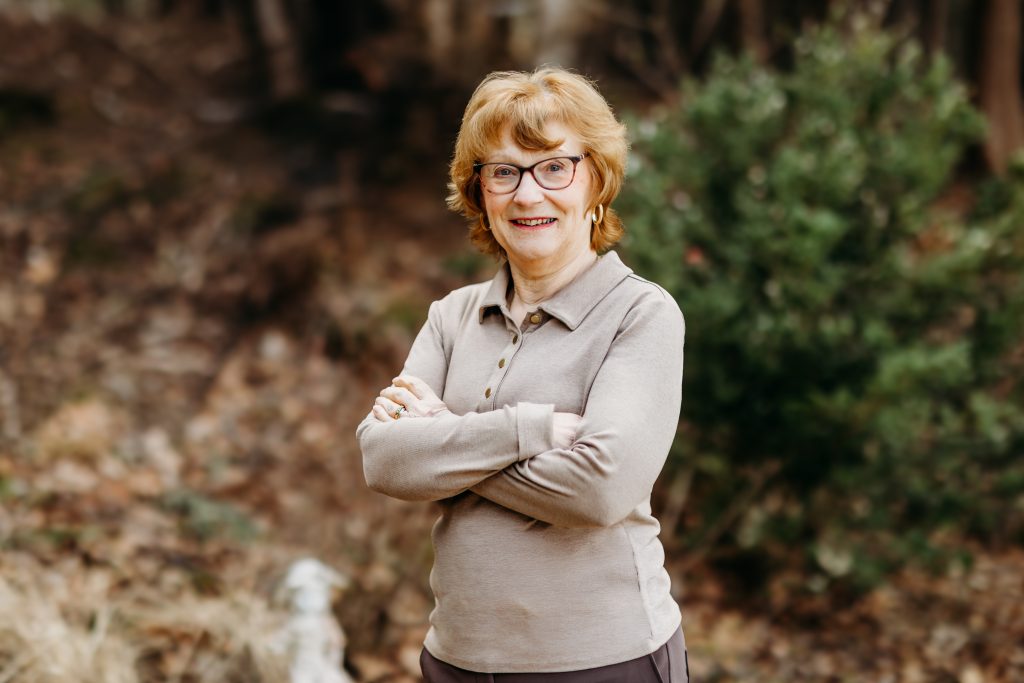
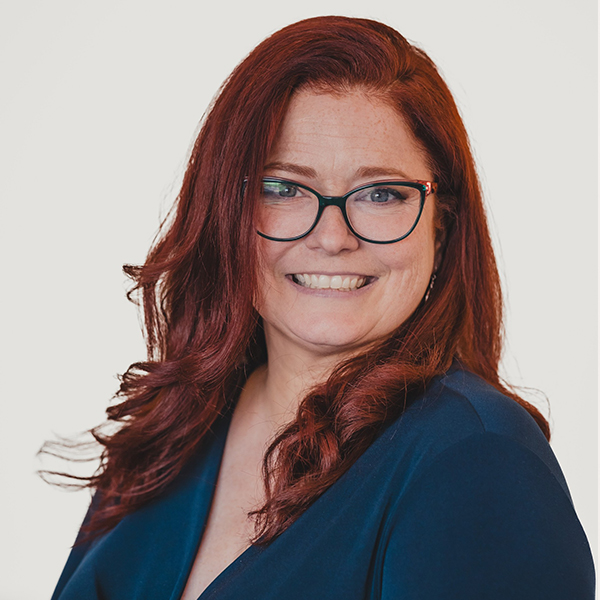
When Tanya James learned her cancer had returned, her world tilted.
“I had just started my life… and then cancer turned everything upside down,” she said.
Tanya had just moved to New Brunswick, started settling into her new home on the Kingston Peninsula, and was building a future with her husband. Life finally felt like it was moving forward.
And then, suddenly, it wasn’t.
This wasn’t her first diagnosis. At just 26, Tanya was diagnosed with acute lymphoblastic leukemia. Since then, she has faced multiple relapses, extensive chemotherapy, CAR T-cell therapy in Ottawa, and two stem cell transplants.
Cancer has impacted nearly every part of her life, her body, her energy, her work, and her relationships.
“The fatigue can be overwhelming,” Tanya shared. “Even simple things like going for a walk or making a meal can feel impossible.”
And she’s not alone.
The Dr. Margot Burnell Cancer Support Program has supported more than 1,000 cancer patients and family members since its inception.
Many patients struggle not only with the physical effects of cancer but also with the emotional toll, fear, isolation, and uncertainty about how to move forward.
Some are unsure how to rebuild their strength. Others don’t know how to nourish their bodies when their appetite disappears. Many feel alone in what they’re experiencing.
That’s where the Dr. Margot Burnell Cancer Support Program makes all the difference.
What is the Dr. Margot Burnell Cancer Support Program?
More than 25 years ago, Dr. Margot Burnell envisioned a different kind of cancer care, one that treats the whole person, not just the disease.
Today, that vision has grown into the Dr. Margot Burnell Cancer Support Program, a community-supported, donor-funded initiative that helps patients and families navigate life during and after cancer.
In 2026, the program was officially named in Dr. Burnell’s honour, recognizing her lasting impact on cancer care in our region.
Thanks to generous community support, the program continues to expand, offering free, evidence-informed programs that support patients physically, emotionally, and mentally at its Centre located in Saint John.
It’s a welcoming space, one that many patients describe not as a clinic, but as a place of comfort, connection, and understanding.
Click here to read about the program's history: A Community United for Cancer Care
What services does the program offer?
The Dr. Margot Burnell Cancer Support Program is designed to support the whole person, helping patients regain strength, confidence, and a sense of control during an incredibly difficult time.
It is open to anyone with a lived cancer experience, as well as their loved ones and caregivers. Whether someone is newly diagnosed, in treatment, or navigating life after cancer, the program provides a place to turn for guidance, support, and connection.
For Tanya, these programs have been an essential part of her recovery. She found peace in the cancer support garden, spending quiet moments watering plants, picking herbs, and simply breathing. “It might sound simple,” she said, “but when your body has been through so much, those moments matter.”
Through gentle yoga and the Stay Strong exercise program, she has safely learned how to move her body again, with guidance from professionals who understand the realities of cancer recovery. “There’s no pressure,” she said. “We all do what we can. They help you understand what your body is capable of again.”
The program offers a variety of services to support physical, emotional, and social recovery, including:
- Stay Strong: A supervised exercise and rehabilitation program that helps patients safely rebuild strength and reduce treatment side effects like fatigue and muscle weakness.
- Nutrition: Guidance from registered dieticians to help patients manage treatment side effects, rebuild strength, and support overall healing through nourishing, balanced food choices.
- Yoga and mindfulness classes: Supporting both physical recovery and emotional well-being.
- Therapeutic arts and music programs: Helping patients process their experiences and reduce stress.
- Educational sessions: Covering topics like fatigue, nutrition, and cognitive changes (“brain fog”).
- Peer support: Connecting patients with others who understand what they’re going through.
Every program, class, and moment of connection is made possible by donor support. These services are offered free of charge, ensuring that anyone who needs them can access care that goes beyond medical treatment. Because healing from cancer takes more than medicine, it takes movement, nourishment, understanding, and community.
For Tanya and for thousands of patients across our region, that support is life-changing.